
Why the Festival Was Cancelled
The cancellation stems from a combination of factors that have increasingly strained local infrastructure and community life:
Overwhelming Crowds
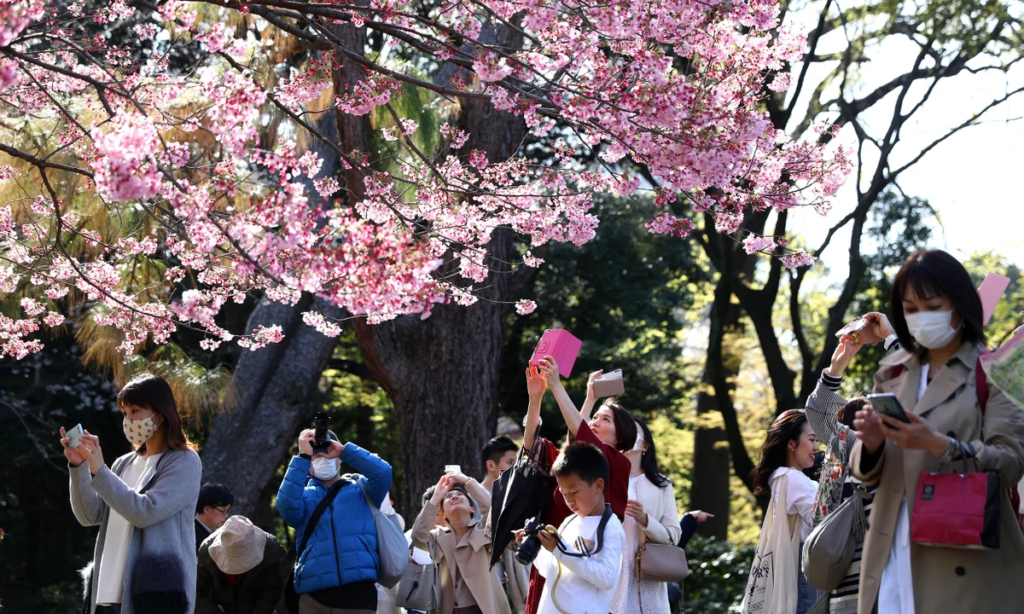
In recent years, Fujiyoshida saw massive increases in visitor numbers during cherry blossom season, with daily counts exceeding 10,000 people at peak times. The influx was partly driven by social media and the weaker Japanese yen, which made travel more attractive for international tourists.
Impact on Local Residents
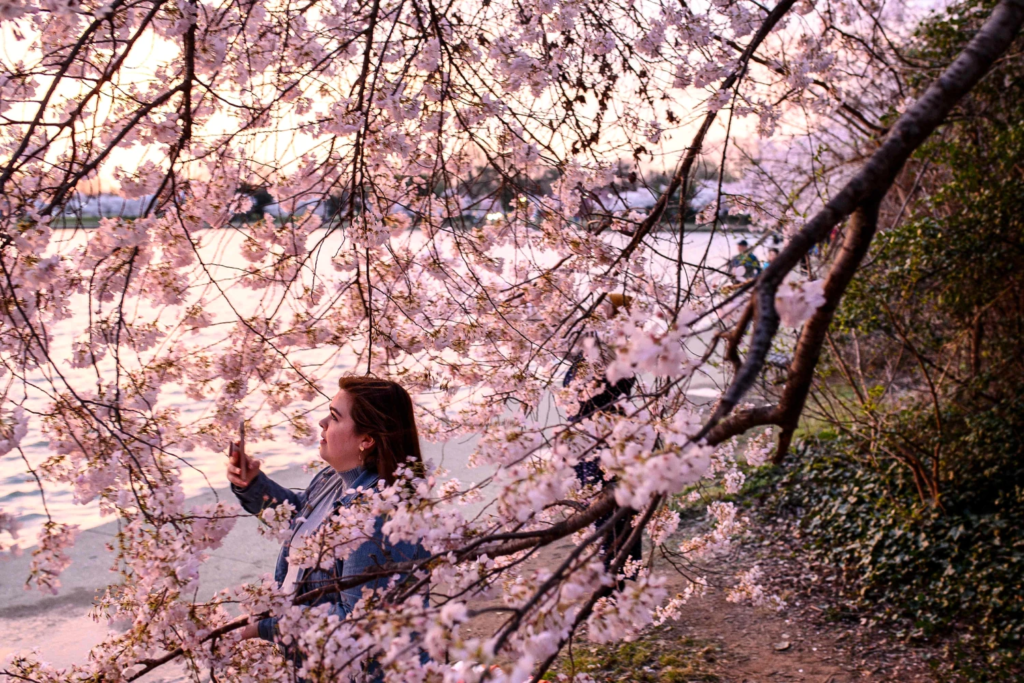
City officials, including Mayor Shigeru Horiuchi, cited the “quiet lives” of residents being threatened by congestion, unsafe conditions, and repeated disruptions. Reports included tourists crowding sidewalks, blocking daily activities, and creating unsafe environments for schoolchildren and families.
Misconduct and Respect for Communities
Beyond crowding, there were troubling reports of inappropriate visitor behaviour. Incidents noted by local authorities included trespassing into private property to use restrooms, littering, and even defecation in private gardens, which heightened local frustration and underscored deeper issues with overtourism.
These combined pressures prompted Fujiyoshida’s leadership to take the unprecedented step of cancelling the festival, prioritising residents’ dignity, safety, and quality of life over tourism promotion.
What the Cancellation Means for Visitors
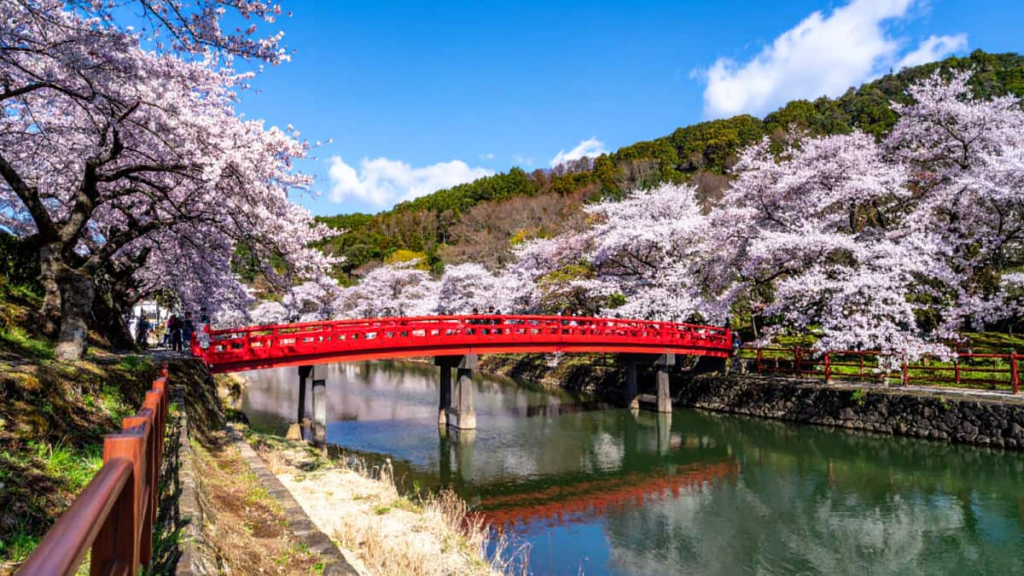
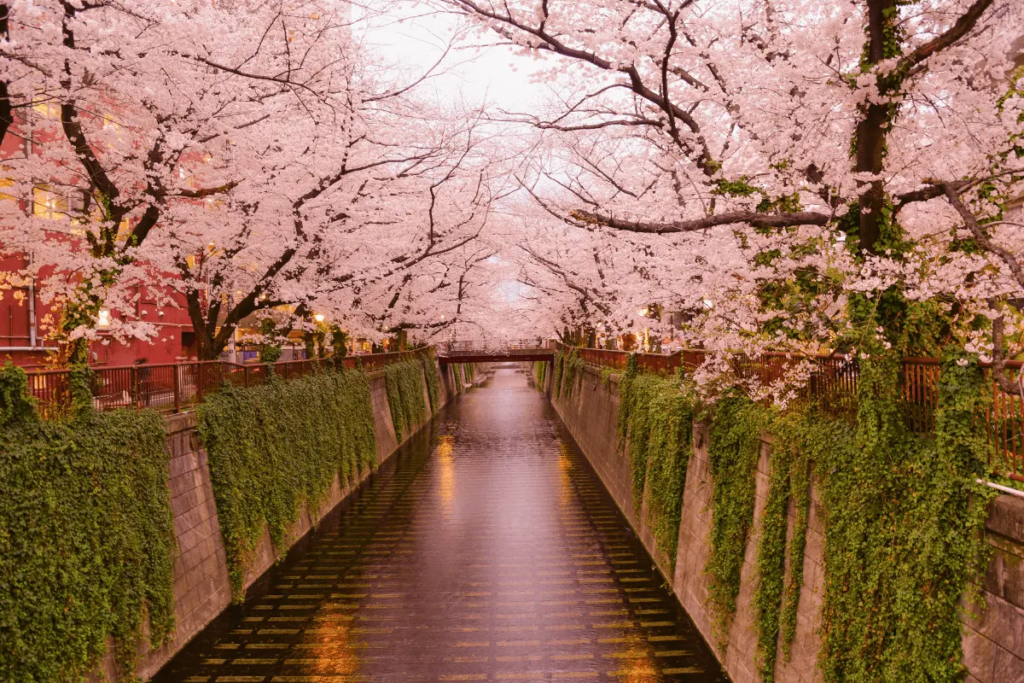
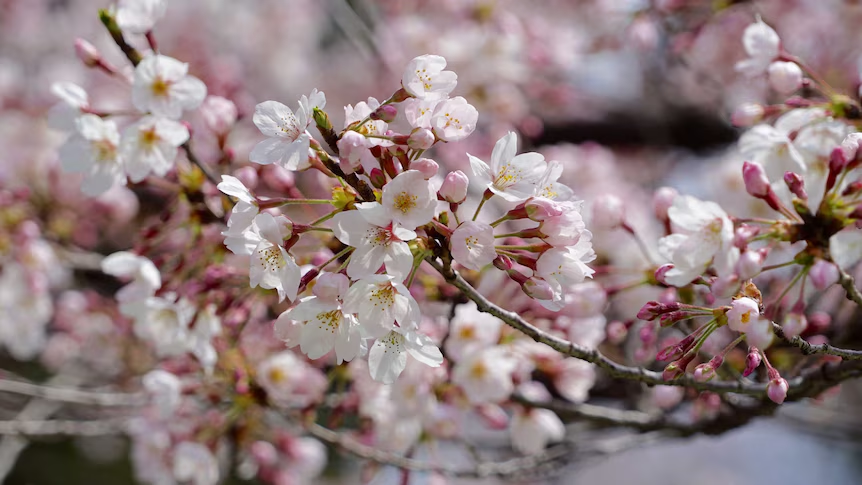
Importantly, the sakura trees themselves will still bloom in the spring of 2026. The natural beauty of Japan’s cherry blossom season remains unchanged. However, without the official festival:
- Events, performances, and organised festival activities will not be held this year.
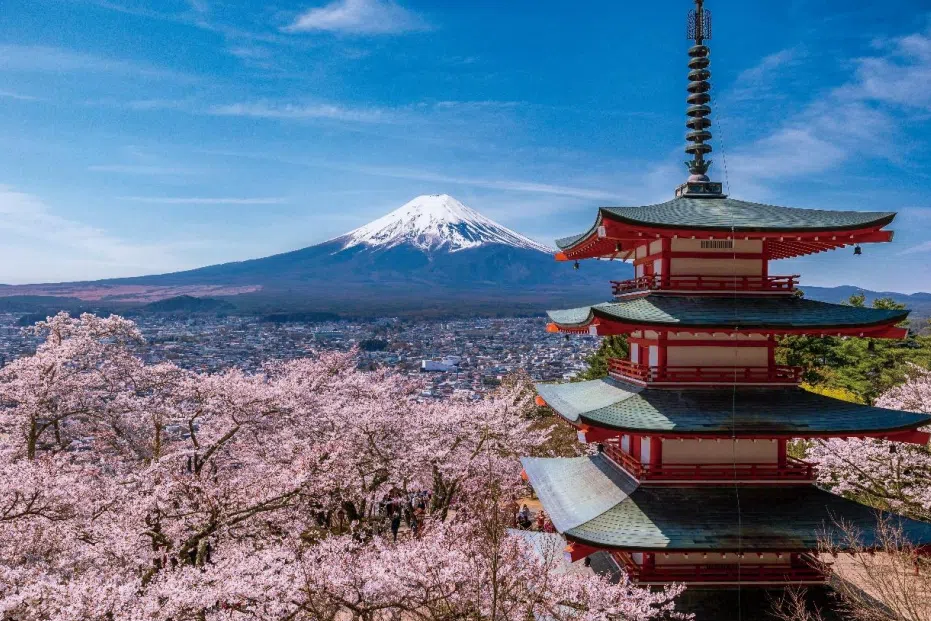
- Tourist crowds are still expected to visit Arakurayama Sengen Park and other scenic spots, even without the festival infrastructure.
- Local authorities are planning temporary measures during peak weeks, such as increased security, crowd guidance, portable toilets, and parking arrangements to manage continuing visitor interest.
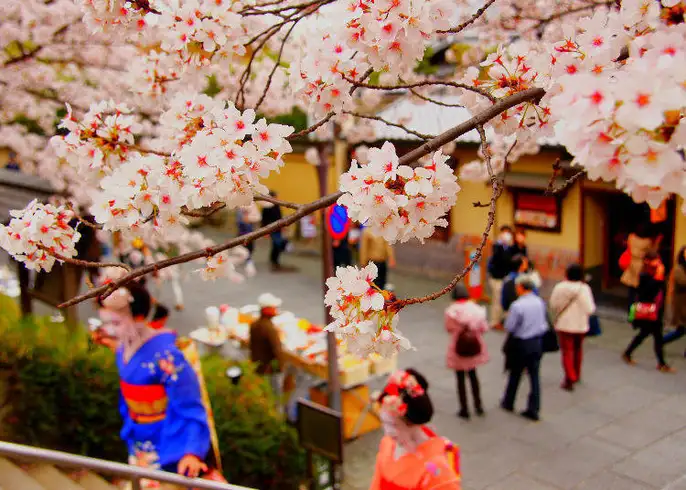
For travellers who planned their trips around the festival, flexibility is now essential. It may be a good idea to explore other celebrated cherry blossom sites across Japan — including Kyoto, Tokyo’s Ueno Park, and Osaka Castle Park — where similar springtime events and hanami gatherings continue. (Check updated travel advisories and local event calendars before planning.)
Broader Context: Overtourism in Japan
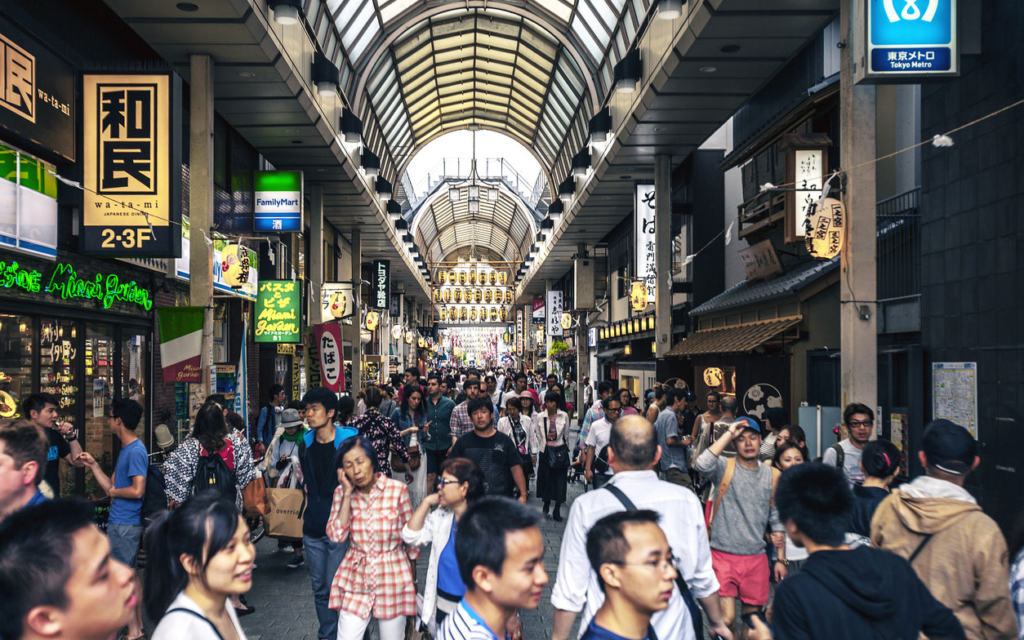
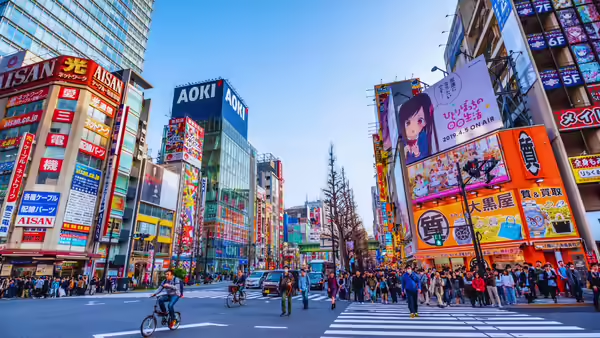
The cancellation highlights a broader challenge faced by many popular destinations in Japan and around the world: overtourism. While tourism provides economic benefits, it can also overwhelm local facilities, damage natural and cultural sites, and reduce the quality of life for residents.
Universal Studios Orlando vs Disney World: Which Park Is Better for You?
Planning a theme park vacation in Orlando often comes down to one big question: Universal…
Japan welcomed record numbers of visitors in recent years. In 2025 alone, the country received over 42 million tourists — the highest figure on record — and many popular locations have struggled to balance visitor interest with community needs.
Communities like Fujiyoshida are now rethinking how to manage tourism sustainably, protect local environments, and preserve the experiences that make places special without compromising resident well-being.
Final Thought
The cancellation of the Arakurayama Sengen Park Cherry Blossom Festival in 2026 marks a pivotal moment for tourism and cultural preservation in Japan. While the decision may disappoint travellers looking forward to this iconic spring event, it reflects deeper concerns about community sustainability, respect for local life, and responsible travel. Japan’s cherry blossoms will continue to bloom, but the way people experience them is evolving. For visitors, this is an opportunity to explore sakura season more mindfully, support lesser-known destinations, and contribute positively to the communities they visit.
This article is based on current news and reports about the cancellation of Japan’s cherry blossom festival in 2026. Event status, travel regulations, and local announcements may change, and official tourism sources should be consulted for up-to-date information before making travel plans.
#JapanCherryBlossom #SakuraFestival #MountFuji #Overtourism #TravelNews #Fujiyoshida #HanamiSeason #TravelUpdatesWhy the Festival Was Cancelled #Anslation #Carrerbook