
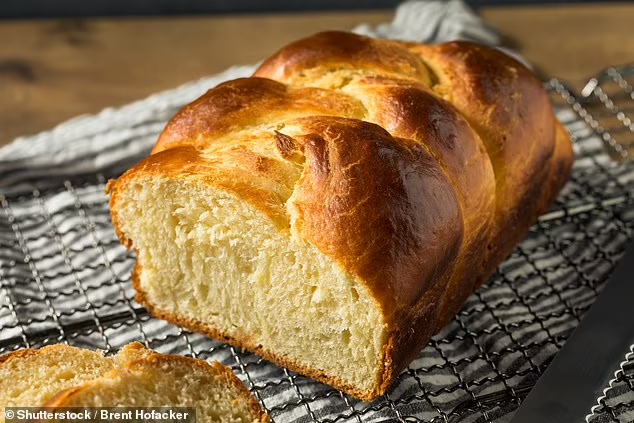
Brioche bread is loved for its soft texture, rich taste, and versatility, whether it’s used for breakfast, burgers, or desserts. Recently, however, several brioche products have been pulled from store shelves following an official recall, raising concerns among consumers. If you regularly buy brioche, it’s important to understand what’s happening, why the recall was issued, and what steps you should take next.
Why Are Brioche Products Being Recalled?
Brioche products are typically recalled due to potential food safety risks. These can include possible contamination, undeclared allergens, or packaging and labeling errors. In many cases, the issue is identified during routine quality checks or after reports from suppliers or regulatory authorities.
Food recalls are often precautionary, meaning they are issued to prevent potential health risks before any serious harm occurs. While not every recalled product causes illness, the recall itself is a signal that the product should not be consumed.
What Types of Brioche Products Are Affected?

The recall may involve:
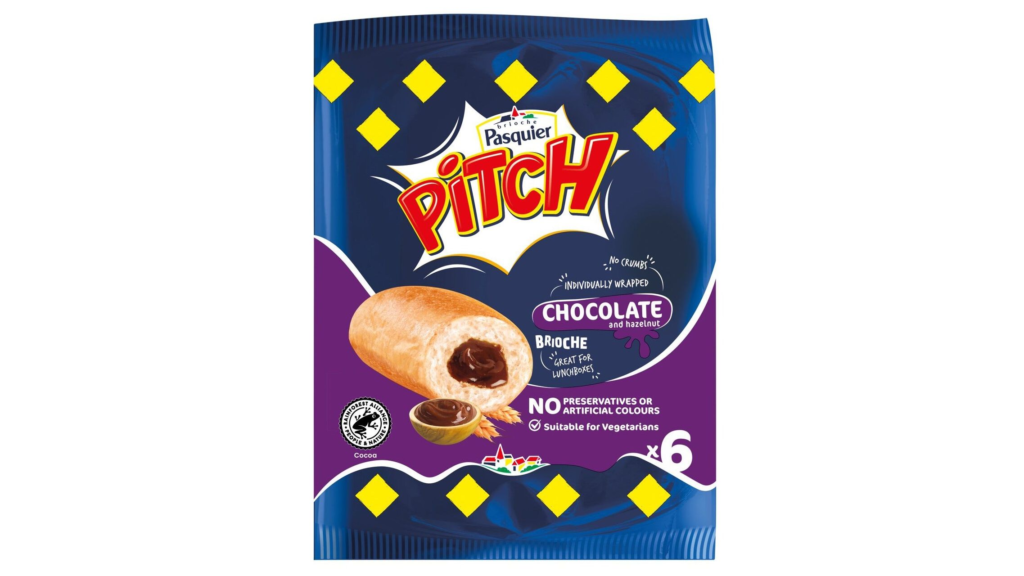
- Private-label or branded brioche products
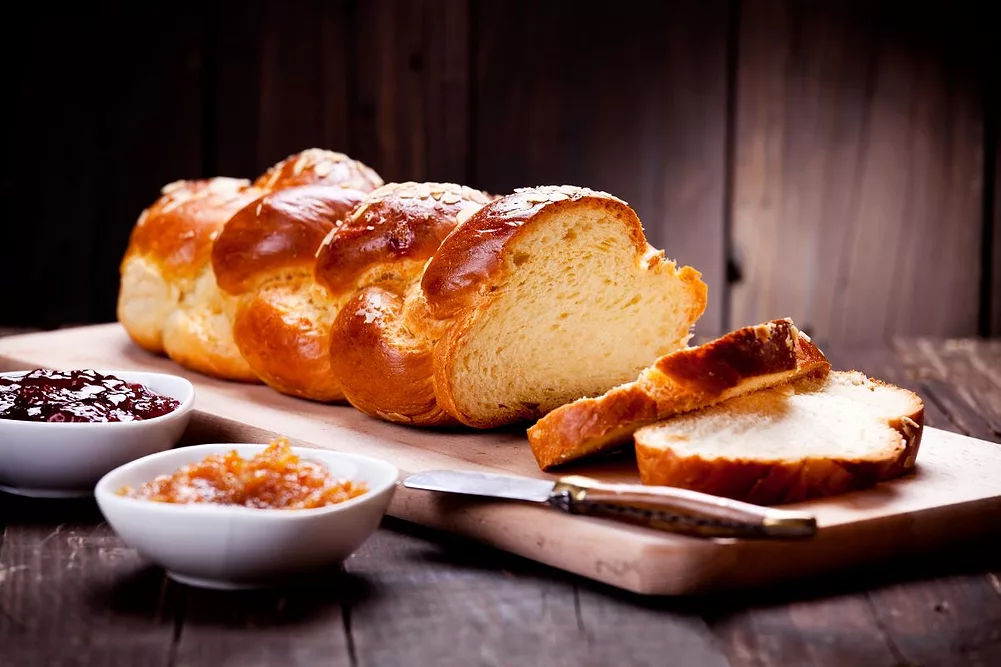
- Packaged brioche loaves
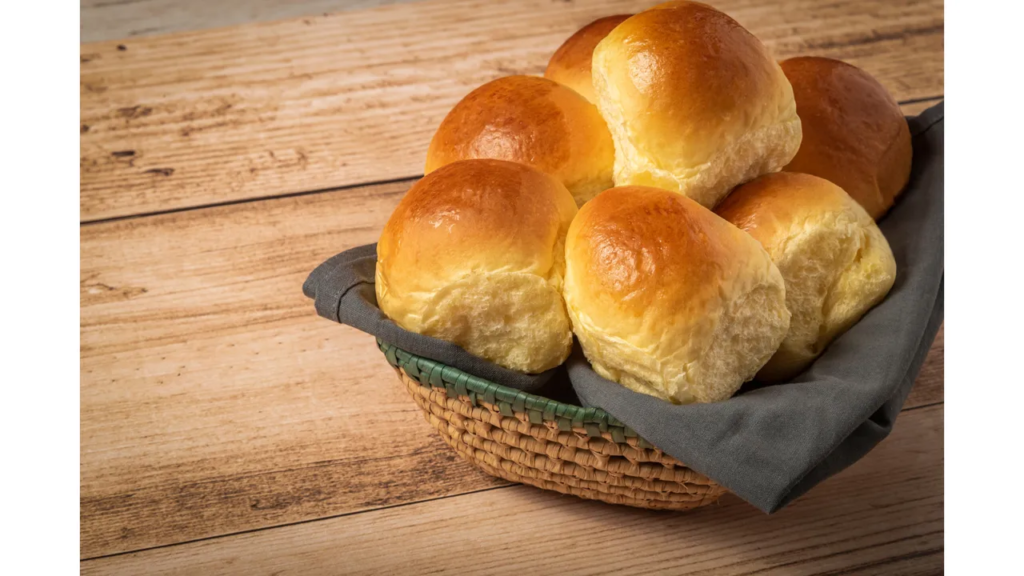
- Brioche buns and rolls
- Brioche-based bakery items sold in supermarkets
Affected items are usually identified by specific batch numbers, production dates, or best-before dates. Only certain lots are typically involved, not all brioche products on the market.
Potential Health Risks to Consumers
The health risk depends on the reason behind the recall. Some recalls pose minimal risk for the general public, while others may be more serious for vulnerable groups such as children, older adults, pregnant individuals, or people with allergies.
If the recall involves undeclared allergens, those with food sensitivities should be especially cautious. If contamination is suspected, consumers may experience symptoms such as stomach discomfort, nausea, or other mild to serious reactions.
What Should You Do If You Bought Recalled Brioche?
If you have purchased brioche products recently, follow these steps:
- Do not consume the product if it matches recall details
- Check the packaging carefully for batch codes and expiry dates
- Return it to the store where it was purchased for a refund or replacement
- Dispose of it safely if returning is not possible
- Monitor for symptoms and seek medical advice if you feel unwell
Retailers usually remove recalled products quickly, but some may already be in consumers’ homes.
How Recalls Protect Consumers
Food recalls are part of strict safety systems designed to protect public health. While recalls can feel alarming, they actually show that monitoring and reporting processes are working. Manufacturers and authorities act quickly to reduce risk and maintain trust.
Most companies involved in recalls also review their production processes to prevent similar issues in the future.
How to Stay Informed About Food Recalls
To stay updated:
- Follow official food safety authority announcements
- Check retailer websites and store notices
- Pay attention to news updates about product recalls
- Always read product labels and storage instructions
Being informed helps you make safer choices for yourself and your family.
Universal Studios Orlando vs Disney World: Which Park Is Better for You?
Planning a theme park vacation in Orlando often comes down to one big question: Universal…

Disney+: Complete Guide to Plans, Prices, Shows, and Movies
Disney+ has quickly become one of the most popular streaming platforms in the world. With…

California on a Budget: How to Travel Smart and Save Money
California has a reputation for being expensive, but the truth is that you don’t need…

Final Thoughts
The recent brioche recall is a reminder that even everyday foods can sometimes face safety issues. While most recalls are precautionary, it’s essential to take them seriously. By checking product details, following official guidance, and staying informed, consumers can reduce risk and continue to shop with confidence. Brioche remains a popular and enjoyable product, and recalls help ensure that only safe items reach your table.
This article is for informational purposes only. Recall details, affected products, and safety guidance may change as investigations continue. Always refer to official food safety authorities or the product manufacturer for the most accurate and up-to-date information.
#BriocheRecall #FoodRecall #FoodSafety #ConsumerAlert #ProductRecall #BakeryProducts #GroceryNews #Anslation #Carrerbook