
Why a National Cancer Plan Is Needed
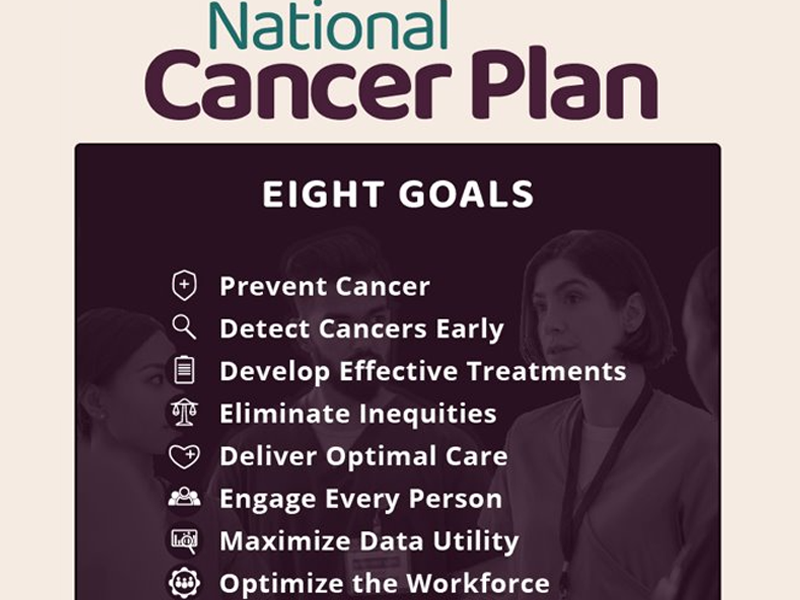
Cancer remains one of the leading causes of illness and death worldwide. In many cases, late diagnosis, unequal access to treatment, and overstretched health services make outcomes worse than they need to be. The National Cancer Plan is designed to address these gaps by creating a coordinated, long-term strategy rather than relying on short-term fixes.
The goal is simple but ambitious: catch cancer earlier, treat it more effectively, and support research that leads to better outcomes in the future.
Focus on Early Detection

One of the strongest pillars of the plan is early detection. When cancer is identified at an early stage, treatment is often more effective, less invasive, and less costly.
Key areas of focus include:
- Expanding screening programs for common cancers
- Improving access to diagnostic tests
- Raising public awareness about early warning signs
- Reducing waiting times for scans and specialist referrals
By encouraging people to come forward sooner and ensuring faster diagnosis, the plan aims to significantly improve survival rates.
Improving Cancer Treatment and Care
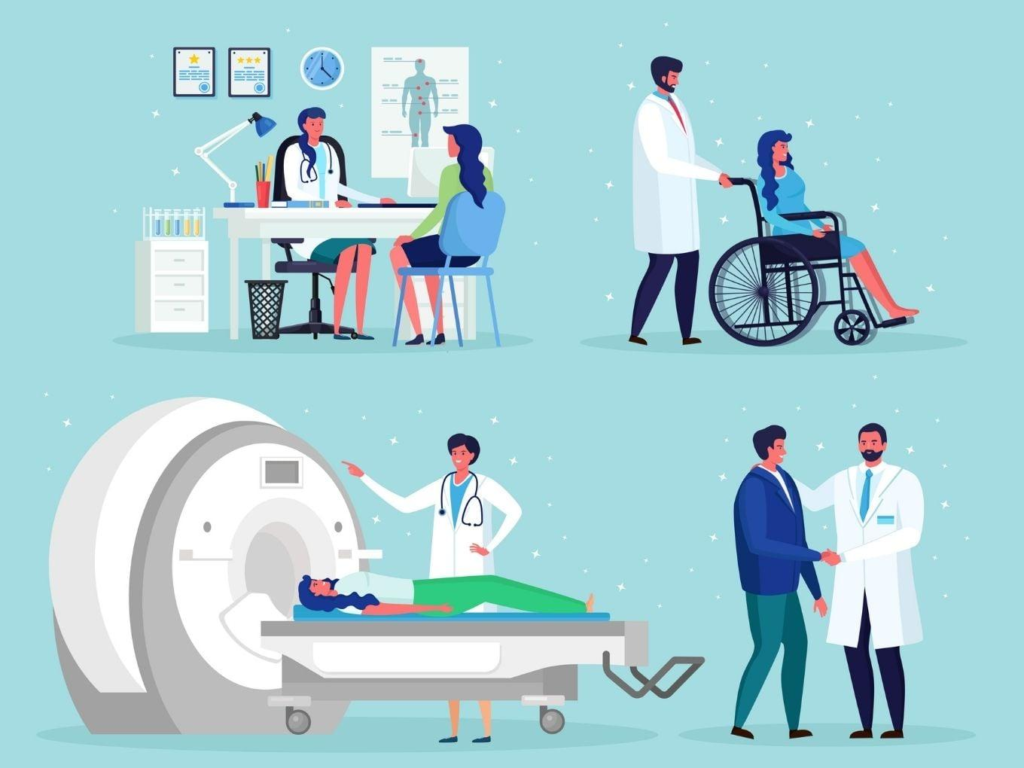

Treatment is another central focus of the National Cancer Plan. The government has emphasized the need to modernize cancer care so patients receive timely, high-quality treatment regardless of where they live.
This includes:
- Upgrading hospital infrastructure and oncology services
- Reducing delays between diagnosis and treatment
- Improving access to specialist doctors and nurses
- Supporting personalized and targeted therapies
The plan also highlights the importance of patient experience, including mental health support, follow-up care, and quality of life during and after treatment.
Investment in Research and Innovation
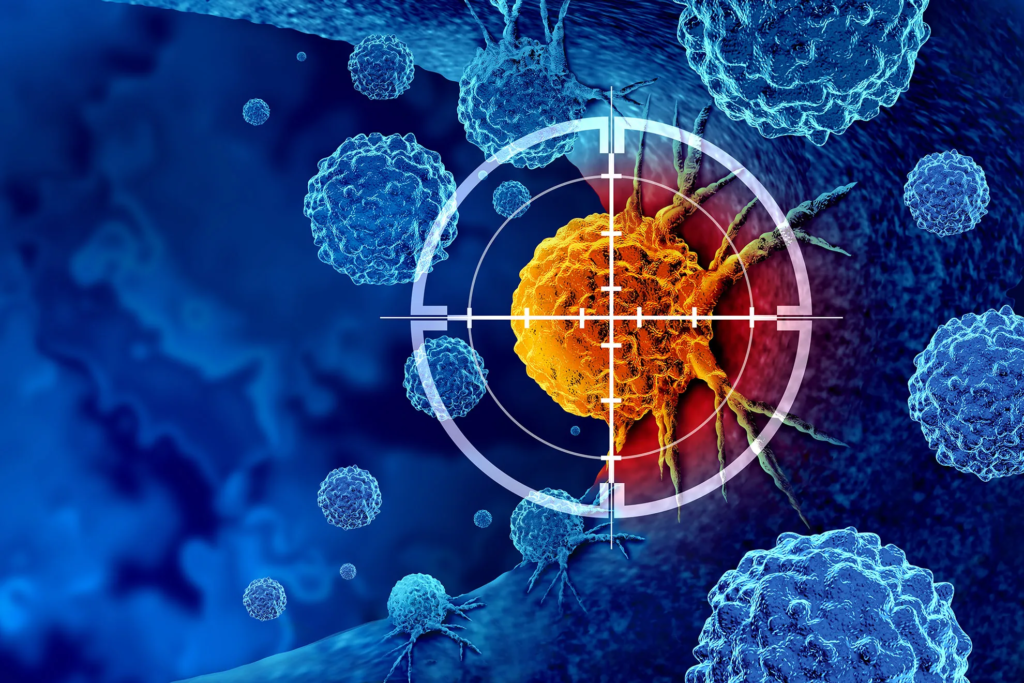
Research plays a crucial role in shaping the future of cancer care. The National Cancer Plan places strong emphasis on funding research into prevention, new treatments, and innovative technologies.
Areas of interest include:
- Developing more precise and less harmful treatments
- Using data and technology to improve diagnosis
- Supporting clinical trials and scientific collaboration
- Understanding cancer risk factors and prevention strategies
By strengthening research efforts, the plan aims not only to improve current care but also to build a foundation for long-term progress.
Challenges Ahead
While the announcement has been welcomed, experts note that implementation will be key. Adequate funding, workforce support, and clear timelines will determine whether the plan delivers meaningful change. Ensuring equal access across regions and communities remains another major challenge.
Public trust will depend on transparency, measurable progress, and ongoing engagement with patients and healthcare professionals.

Universal Studios Orlando vs Disney World: Which Park Is Better for You?
Planning a theme park vacation in Orlando often comes down to one big question: Universal…

Disney+: Complete Guide to Plans, Prices, Shows, and Movies
Disney+ has quickly become one of the most popular streaming platforms in the world. With…

California on a Budget: How to Travel Smart and Save Money
California has a reputation for being expensive, but the truth is that you don’t need…

Brioche Products Pulled From Shelves: What You Need to Know About the Recall
Brioche bread is loved for its soft texture, rich taste, and versatility, whether it’s used…

Microsoft Windows 11: Features, System Requirements, and Everything You Need to Know
Microsoft Windows 11 marks a major shift in how the Windows operating system looks, feels,…

Best Foods in the World: Must-Try Dishes from Every Country
Food is one of the most powerful ways to understand a place. You can learn…
Final Though
The National Cancer Plan represents a hopeful step toward a more proactive and patient-focused approach to cancer care. By prioritizing early detection, strengthening treatment services, and investing in research, the plan has the potential to save lives and improve outcomes. The real test, however, will be how effectively these commitments are put into action in the years ahead.
This article is for informational purposes only and is based on publicly announced policy directions at the time of writing. It does not constitute medical advice. For personal health concerns or treatment decisions, always consult a qualified healthcare professional or official government health sources.
#NationalCancerPlan #CancerAwareness #EarlyDetection #CancerTreatment #MedicalResearch #PublicHealthPolicy #Anslation #Carrerbook