

What Happened
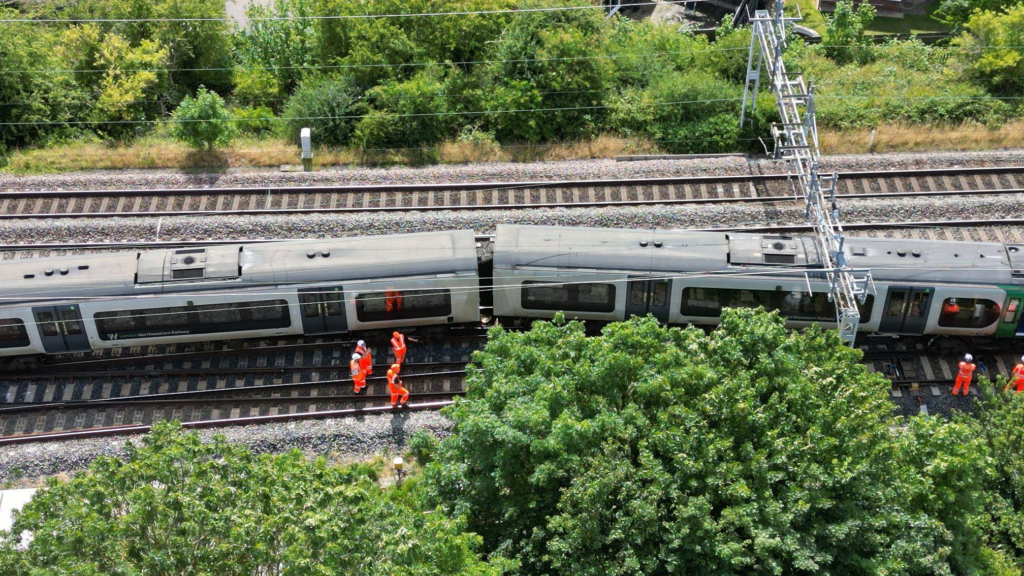
According to early reports, a passenger train derailed on a section of London’s rail network, leading to service disruptions and emergency responses at the scene. Trains in the affected area were halted or diverted while safety teams secured the site and assisted passengers.
Emergency services arrived quickly, focusing first on passenger safety and evacuation. While derailments in the UK are rare, any such incident is treated with the highest level of seriousness due to the potential risks involved.
Officials have stated that invest
igations began immediately after the incident, with the priority being to understand exactly how and why the derailment occurred.
Possible Causes of the Derailment
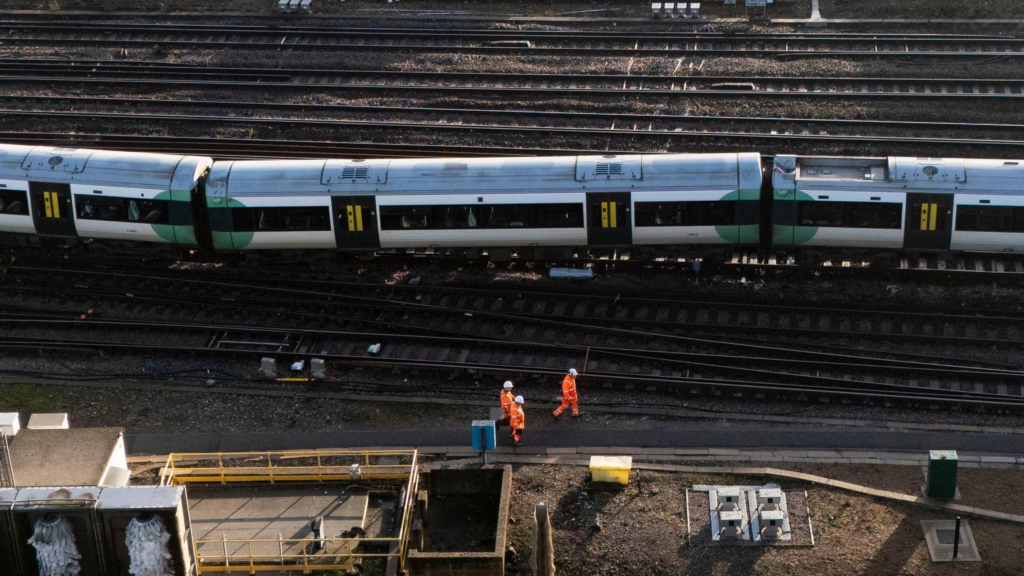
At this stage, the exact cause has not been officially confirmed. However, rail experts generally look at several common factors during derailment investigations:
- Track-related issues such as faults, obstructions, or maintenance problems
- Mechanical failure involving wheels, brakes, or other critical train components
- Signaling or operational errors, including speed-related factors
- Weather conditions, which can affect tracks, visibility, and traction
Investigators typically examine data recorders, track conditions, and maintenance logs before reaching any conclusions. It’s important not to jump to assumptions until the final report is released.
Impact on Passengers and Rail Services
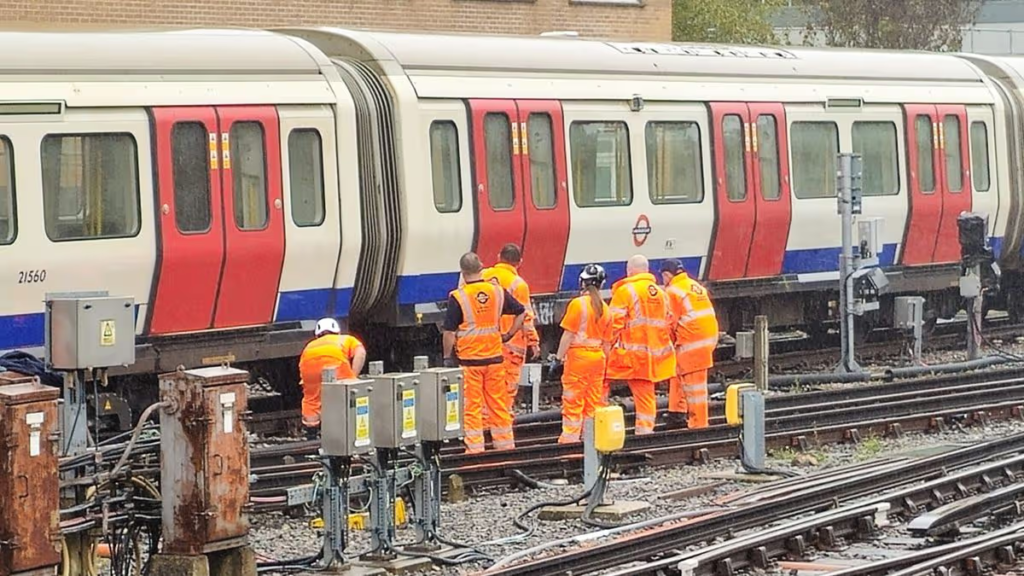
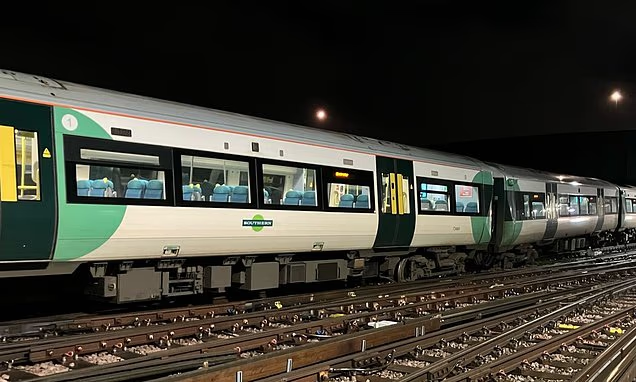
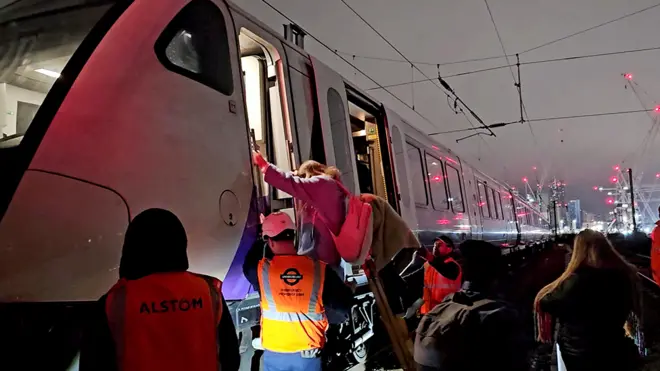
For commuters, the immediate impact was delays, cancellations, and overcrowding on alternative routes. Rail operators advised passengers to check live updates before traveling and, where possible, use alternative transport.
Support teams were deployed to help stranded passengers, and compensation or ticket flexibility is often offered following major disruptions, depending on the operator’s policy.
Latest Updates and Official Response
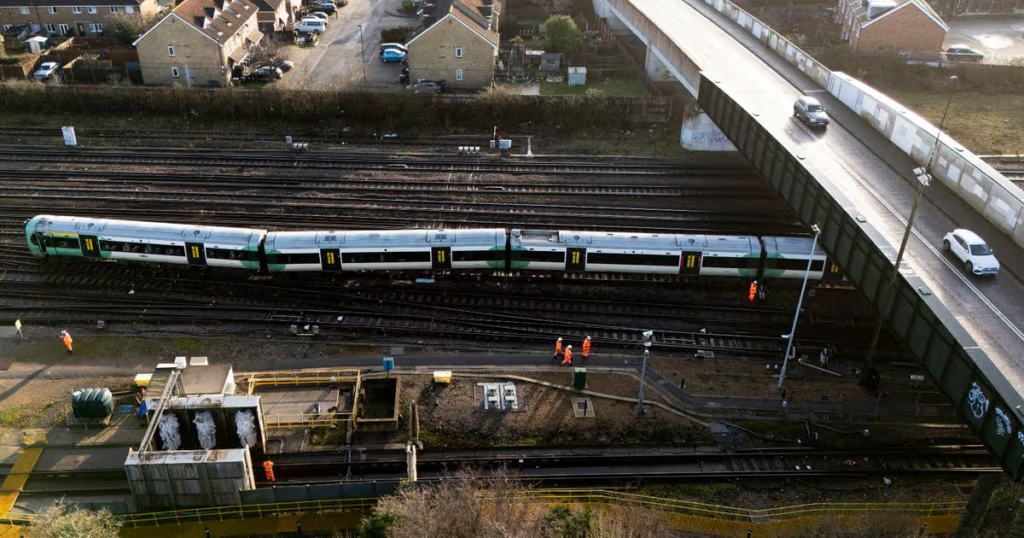
Transport authorities and rail operators have confirmed full cooperation with safety investigators. Sections of track involved in the derailment remain under inspection, and services are expected to resume only after safety checks are fully completed.
Officials have reassured the public that the UK rail system remains one of the safest in the world, and that incidents like this are taken as opportunities to further strengthen safety standards.
Passengers are encouraged to rely on official announcements for verified updates rather than speculation circulating online.
Why This Incident Matters
Beyond the immediate disruption, a London train derailment sparks broader conversations about infrastructure investment, maintenance schedules, and long-term rail safety. Each incident adds valuable data that helps prevent future accidents and improves overall system reliability.

Universal Studios Orlando vs Disney World: Which Park Is Better for You?
Planning a theme park vacation in Orlando often comes down to one big question: Universal…
Final Thought
While a train derailment is always alarming, it’s important to wait for confirmed facts and official findings. London’s rail network moves millions safely every day, and incidents like this are carefully investigated to ensure lessons are learned. Staying informed through reliable sources—and patient during service recovery—helps everyone navigate the situation more calmly.
This article is based on publicly available information and general rail safety knowledge at the time of writing. Details may change as official investigations continue. For the most accurate and up-to-date information, always refer to statements from transport authorities and rail operators.
#LondonTrainDerailment #UKRailNews #LondonTransport #RailSafety #TrainAccidentUpdate #PublicTransportNews #Carrerbook #Anslation