
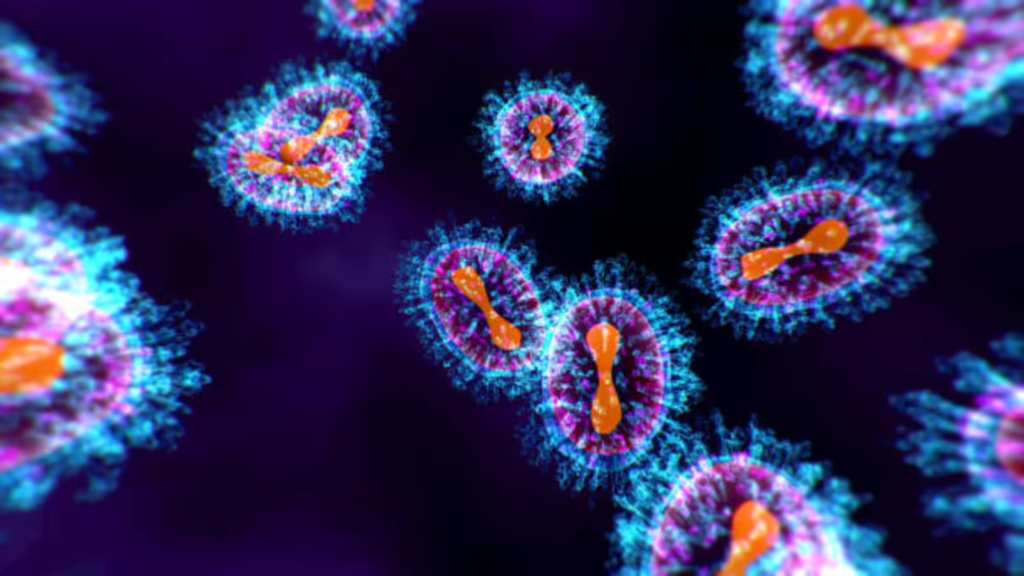
Nipah Virus in India: Everything You Need to Know Right Now
In recent years, the Nipah virus has re-emerged in India as a serious public health concern, raising understandable anxiety among people across the country. Although outbreaks have been limited and contained, the virus’s high fatality rate and lack of a specific cure make awareness especially important.
This article explains what the Nipah virus is, how it spreads, what symptoms to watch for, and what India has learned from past outbreaks—all in clear, simple language.
What Is the Nipah Virus?
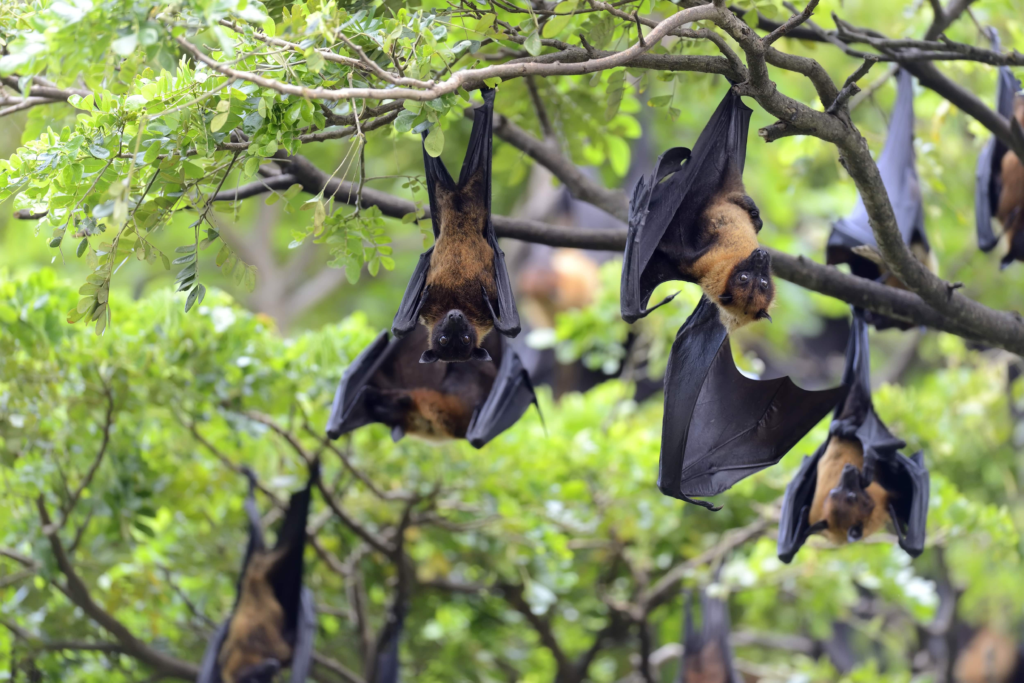
The Nipah virus (NiV) is a zoonotic virus, meaning it spreads from animals to humans. It was first identified in 1999 and has since caused sporadic outbreaks in parts of South and Southeast Asia.
In India, Nipah virus cases have been reported mainly in Kerala, where health authorities have responded quickly with surveillance, contact tracing, and isolation measures.
What makes Nipah particularly concerning is its ability to cause severe illness, including inflammation of the brain (encephalitis), and its relatively high mortality rate.
How Does Nipah Virus Spread?
Nipah virus does not spread easily like the common flu, but transmission can occur through specific routes:
- From animals to humans, especially fruit bats (the natural hosts)
- Consumption of contaminated food, such as fruits or raw date palm sap exposed to bats
- Human-to-human transmission, through close contact with bodily fluids of an infected person
Hospitals and caregivers are often at higher risk if proper protective measures are not followed.
Common Symptoms of Nipah Virus Infection
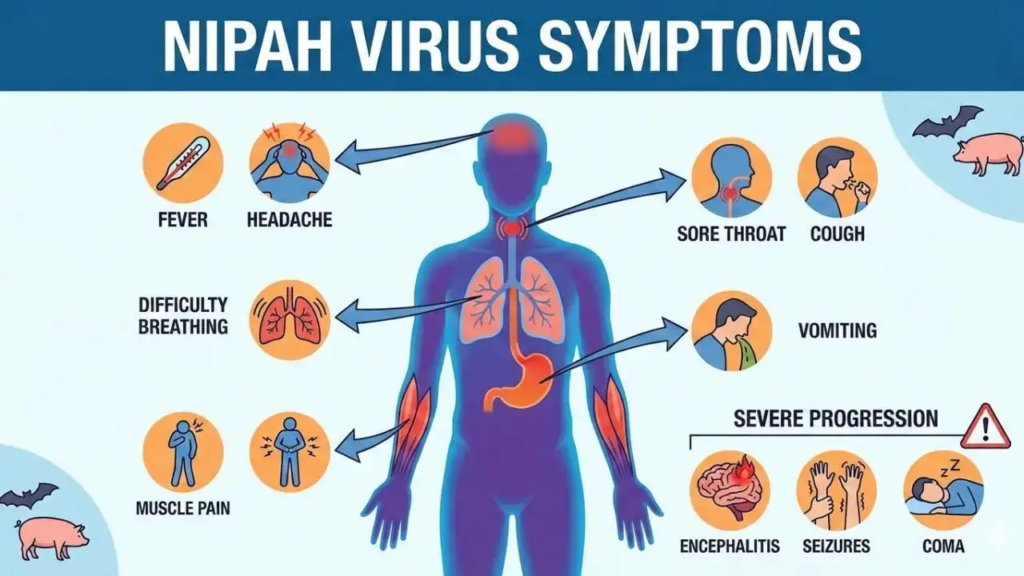
Symptoms usually appear 4 to 14 days after exposure, though this can vary.
Early symptoms may include:
- Fever
- Headache
- Muscle pain
- Vomiting
- Sore throat
As the illness progresses, some patients may develop:
- Dizziness
- Confusion or altered consciousness
- Seizures
- Severe respiratory distress
- Encephalitis (brain inflammation)
Not everyone shows symptoms immediately, which is why early detection and monitoring are critical.
Why Is Nipah Virus Considered Dangerous?
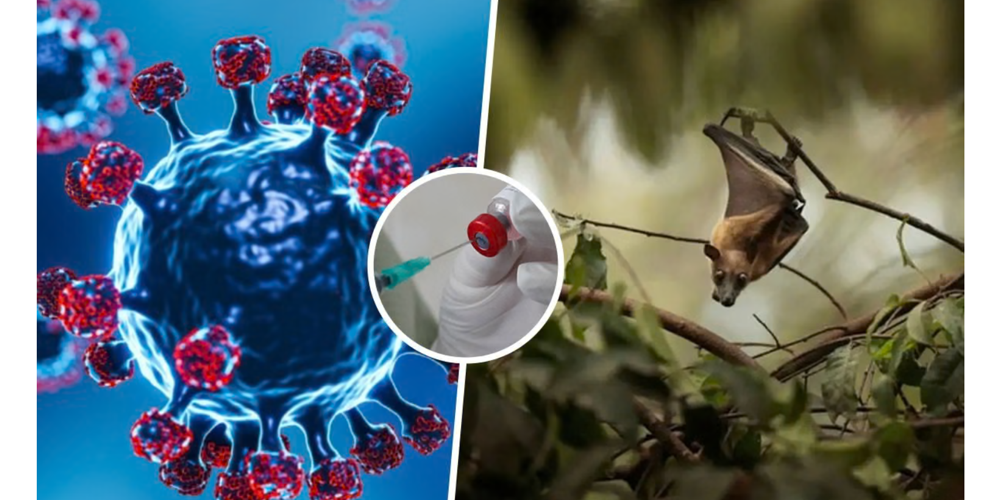
Nipah virus is dangerous for three main reasons:
- High fatality rate compared to many other viral infections
- No specific antiviral treatment or vaccine currently available
- Potential for human-to-human transmission in close-contact settings
Treatment focuses on supportive care—managing symptoms and complications while the patient’s immune system fights the virus.
India’s Response to Nipah Virus Outbreaks
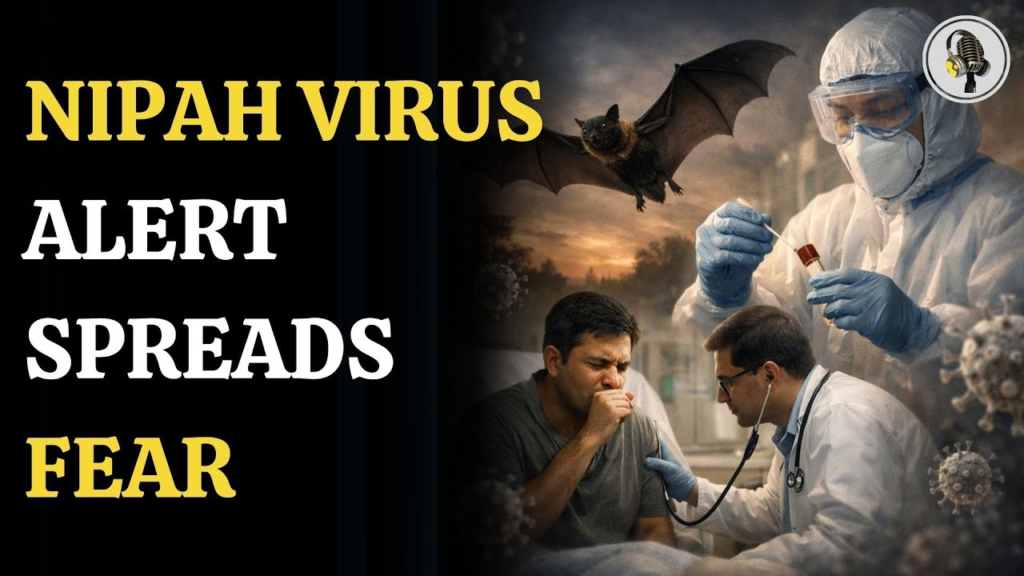
India’s public health system has significantly improved its response to Nipah outbreaks over time. Key measures include:
- Rapid identification and isolation of cases
- Extensive contact tracing
- Temporary containment zones
- Public awareness campaigns
- Strict infection-control protocols in hospitals
Kerala’s experience with previous outbreaks has helped shape faster and more organized responses, limiting wider spread.
How Can People Protect Themselves?
While the general risk to the public remains low, basic precautions are important:
- Avoid eating fruits that appear bitten or damaged
- Do not consume raw or unprocessed fruit products in affected areas
- Practice good hand hygiene
- Avoid close contact with infected individuals
- Follow official health advisories
Staying informed through credible sources helps reduce fear and misinformation.
Final Thoughts
The Nipah virus is serious, but it is not a cause for panic. India’s past experience shows that early detection, public cooperation, and strong healthcare measures can effectively control outbreaks.
Awareness, responsibility, and trust in public health guidance remain the strongest tools in preventing the spread of Nipah virus. Staying informed is not about fear—it’s about preparedness.
This article is intended for informational purposes only and should not be considered medical advice. The information provided is based on publicly available health guidance at the time of writing. Symptoms, risks, and public health recommendations may change. For accurate diagnosis, treatment, or the latest updates, please consult qualified healthcare professionals or official government health authorities.
#HealthAwareness #ViralOutbreak #IndiaHealth #DiseasePrevention #HealthNews #ZoonoticDiseases #StayInform #Carrerbook #Anslation